UK Betting and Gaming Council Unveils 'Spot The Black Market' Quiz to Expose Illegal Gambling Sites
11 Mar 2026
UK Betting and Gaming Council Unveils 'Spot The Black Market' Quiz to Expose Illegal Gambling Sites
The Launch of a Timely Tool in March 2026
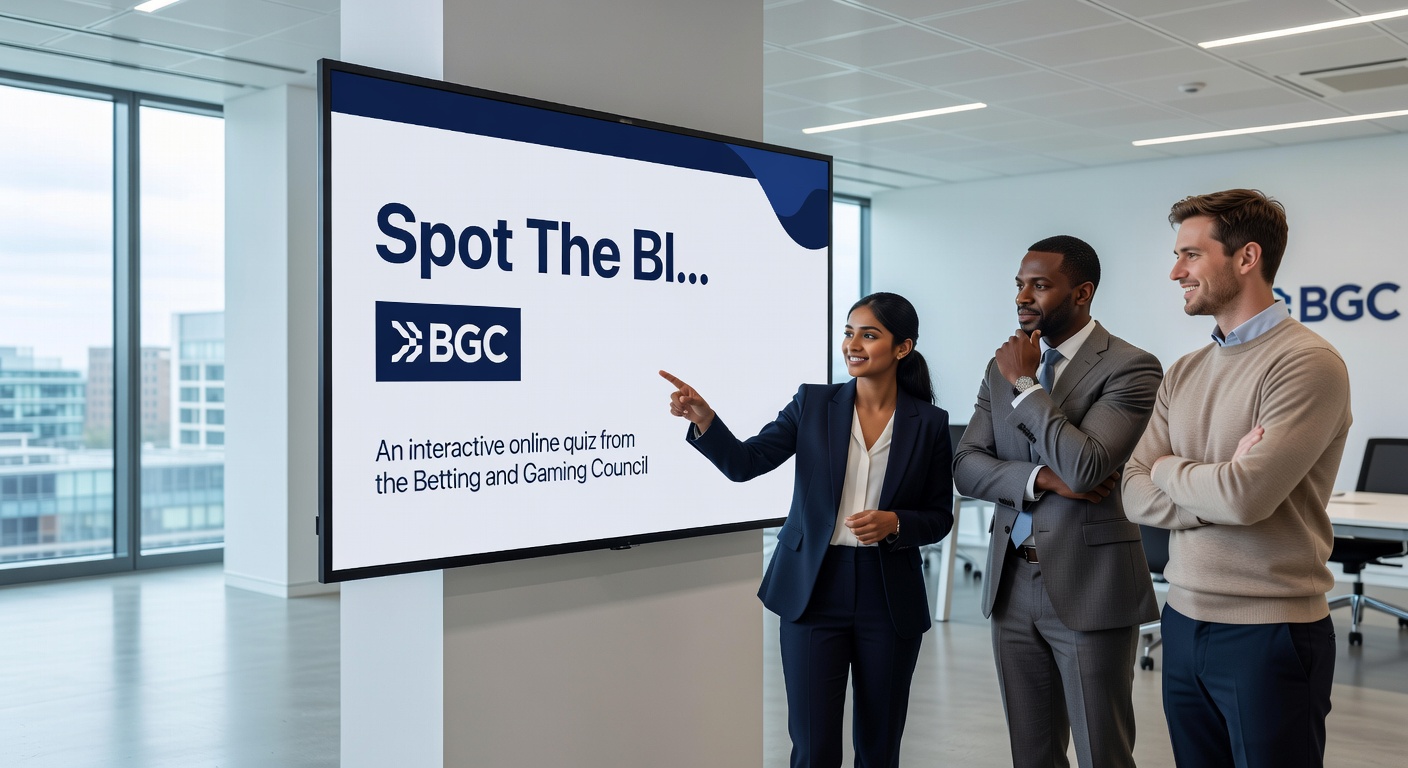
On March 10, 2026, the Betting and Gaming Council (BGC) in the UK rolled out an interactive online quiz named “Spot The Black Market,” designed specifically to equip consumers with the skills to detect unregulated and illegal gambling websites; through a series of mock screenshots, participants learn to spot critical warning signs like the absence of a visible UK Gambling Commission licence number, and in doing so, the initiative directly targets black market operators who mimic the look of legitimate platforms while skirting all regulatory oversight.
What's interesting here is how this quiz arrives amid heightened concerns about consumer safety within the UK gambling sector, where unregulated sites proliferate by copying trusted brands yet fail to uphold any player protection standards; experts have observed that such platforms often lure players with promises of better odds or bonuses, but deliver none of the safeguards mandated by law, leaving users exposed to financial risks and potential addiction without recourse.
And while the BGC positions this as a proactive educational step, the quiz itself unfolds as a straightforward, engaging exercise—users navigate through simulated gambling site interfaces, identifying red flags in real-time scenarios that mirror everyday online encounters; one scenario might show a homepage lacking the mandatory licence details at the footer, another could feature inconsistent branding or missing age verification prompts, all calibrated to train the eye for authenticity in a crowded digital landscape.
How the Quiz Works: Hands-On Learning Through Mock Screenshots
Participants dive right into the action with the quiz presenting side-by-side comparisons or single-site breakdowns via high-fidelity mock screenshots, where the core challenge revolves around pinpointing the lack of a UK Gambling Commission licence number—often displayed prominently on legitimate sites as a clickable badge linking to official verification; but here's the thing, black market mimics bury this detail or omit it entirely, a telltale omission that the quiz hammers home through immediate feedback loops, explaining why regulated operators must display this information under UK law.
Turns out the interactivity keeps users hooked, as each level escalates in subtlety—early rounds flag blatant fakes with garish designs or suspicious payment options, while later ones test discernment on polished imposters that replicate logos and layouts from major brands; observers note that this gamified approach, complete with scores and leaderboards (though details remain quiz-specific), mirrors successful public awareness campaigns in other sectors, like phishing detection tools from cybersecurity firms.
So, by the end, users emerge with a sharpened instinct for due diligence, knowing to hover over footer links, cross-check domain authenticity, and verify licence validity on the UK Gambling Commission's public register before depositing funds; it's not rocket science, yet those who've tested similar tools report a marked uptick in cautionary behaviors post-engagement.
Key Warning Signs Highlighted in the Quiz
The BGC curates a roster of red flags within the quiz, starting with that absent or unverifiable licence number, but extending to other hallmarks of illegitimacy like unlicensed payment processors that bypass anti-money laundering checks, or promotional claims unbound by the fair advertising codes enforced on white-market sites; semicolons separate these from subtler cues, such as irregular odds formats that don't align with UK standards, missing responsible gambling tools like self-exclusion buttons, and pop-ups urging unrestricted deposits without deposit limits.
One mock screenshot might depict a site promising "guaranteed wins" without the mandatory safer gambling messaging, a direct violation that regulated platforms can't touch; experts who've dissected black market operations point out how these sites often operate from offshore jurisdictions, dodging taxes and player fund segregation requirements, which the quiz illustrates through visual contrasts—legit sites show segregated account assurances and RTP disclosures, fakes don't bother.
Yet, the quiz doesn't stop at visuals; audio cues or text overlays reinforce why these signs matter, noting that unregulated operators rarely contribute to research levies funding addiction treatment, a fact that underscores the broader ecosystem strain they impose.
Risks Posed by Unregulated Sites and the BGC's Response
Unregulated gambling sites, as the BGC emphasizes through the quiz, sidestep player protection rules entirely—no mandatory reality checks interrupt prolonged sessions, no stake caps apply for high-spenders, and winnings arrive without the guarantees of licensed payouts; data from BGC-commissioned reports, like one revealing £5.7 billion staked on UK black market gambling, paints a stark picture of scale, with consumers unwittingly funneling vast sums into voids lacking oversight.
People who've fallen into these traps often discover frozen accounts post-windfall, or worse, sites vanishing overnight with funds intact; researchers have documented cases where black market platforms employ aggressive marketing via unregulated affiliates, bombarding social media with unvetted ads that legitimate operators can't match in allure, yet the quiz counters this by training users to question unsolicited promotions lacking source transparency.
Now, the BGC's move feels like a direct counterpunch, especially as black market activity surges amid economic pressures driving more to offshore bets for perceived value; studies indicate that these sites exploit vulnerabilities like poor geoblocking, allowing UK punters seamless access despite prohibitions, which the quiz addresses head-on with tips for VPN detection and IP mismatch checks.
Broader Context: Consumer Safety in the UK Gambling Landscape
Although the quiz zeroes in on visual cues, it ties into ongoing BGC advocacy for tougher enforcement, where regulators grapple with the cat-and-mouse game of site takedowns—operators rebrand swiftly, spawning clones that the quiz prepares users to evade; figures reveal that UK consumers lost millions to such scams last year alone, prompting industry bodies like the BGC to innovate beyond lobbying.
Take one case researchers highlighted, where a mimic site aped a top bookmaker's design so closely that even savvy players deposited before spotting the dodgy licence footer; the quiz recreates such near-misses, building muscle memory for split-second decisions that protect bankrolls and mental health alike.
But here's where it gets interesting: the launch coincides with March 2026's regulatory reviews, as the Gambling Commission consults on affordability checks and black market metrics, positioning the BGC's tool as a complementary frontline defense while policymakers deliberate backend fixes.
Observers who've tracked similar initiatives, such as anti-fraud quizzes from banks, find that engagement rates soar when interactivity reigns, suggesting the “Spot The Black Market” could ripple through communities via shares and schoolings among friends; that's the ball in consumers' court now, armed with knowledge that turns passive browsers into proactive spotters.
Expected Impact and Pathways Forward
Early indicators suggest the quiz garners traction, with BGC channels promoting it across social platforms and partner sites, aiming for widespread adoption among the UK's 20-plus million gamblers; those who've previewed it praise the no-nonsense delivery, free from jargon, making complex compliance accessible to novices and veterans alike.
adn as black market operators evolve their deceptions—employing AI-generated sites or deepfake endorsements—the quiz sets a precedent for adaptive education, potentially updating modules quarterly to reflect fresh tactics; experts anticipate this fosters a cultural shift, where checking licences becomes as routine as reading reviews before bookings.
Conclusion
The “Spot The Black Market” quiz stands as the BGC's latest salvo in safeguarding UK gamblers from illicit sites that thrive on deception, delivering practical skills via mock screenshots and clear warnings like missing UK Gambling Commission licences; while challenges persist in the unregulated shadows, tools like this empower individuals to navigate safely, reducing the £5.7 billion black market stakes that previous reports exposed and paving the way for a more vigilant player base in March 2026 and beyond.