UK Casinos Gear Up for Swift MSB Notifications: Gambling Commission's Updated Rules Target Laundering Risks
11 Apr 2026
UK Casinos Gear Up for Swift MSB Notifications: Gambling Commission's Updated Rules Target Laundering Risks

The Core of the Update
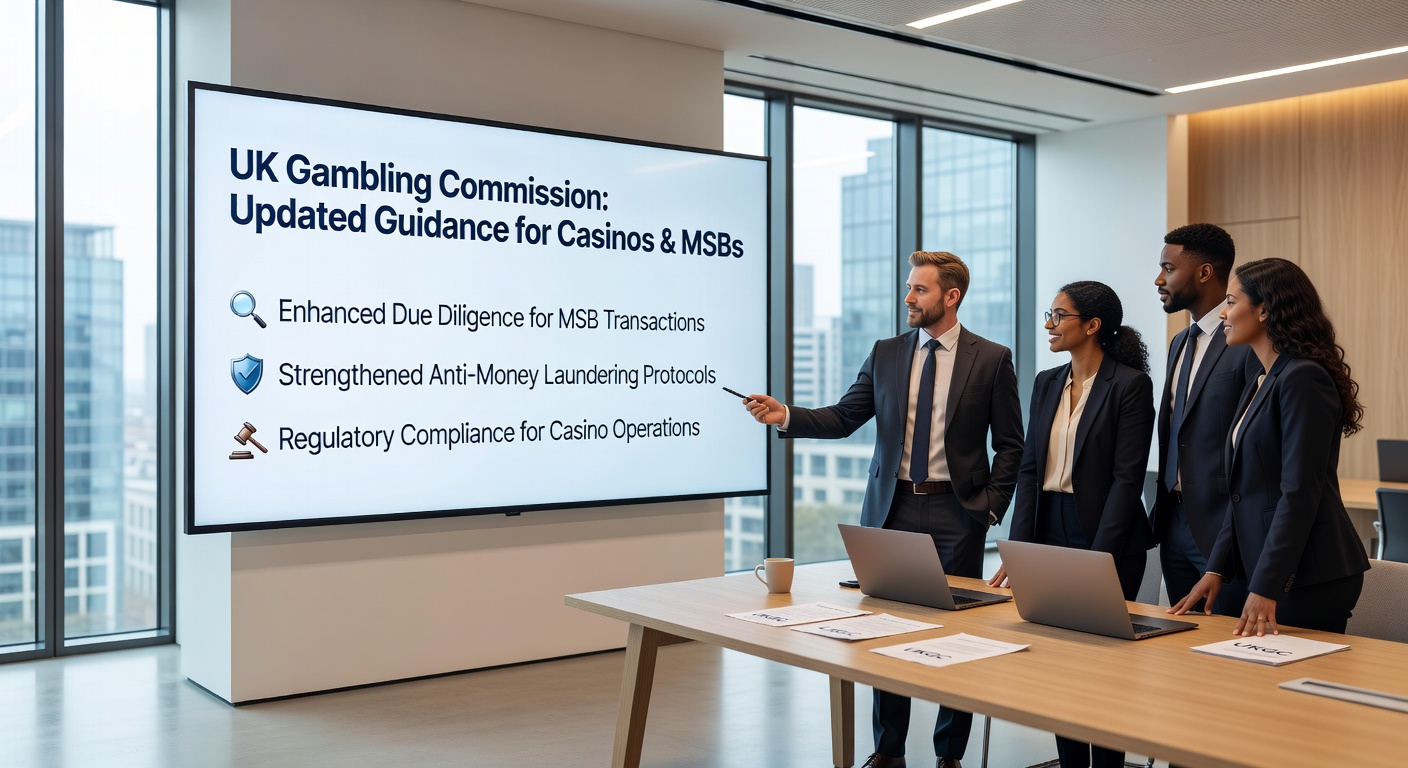
The UK Gambling Commission has rolled out fresh guidance specifically for licensed casinos that dip into money service businesses, or MSBs, think third-party cheque cashing, money transfers, or foreign currency exchanges; operators now face a strict 10-day window to notify the regulator whenever they kick off or wind down these services, complete with specifics like the casino's name, licence number, and the exact type of MSB involved, all sent straight to msb@gamblingcommission.gov.uk.
What's interesting here is how this applies across the entire UK to every licensed casino, no exceptions, building directly on a notice from February 9, 2026, that set the stage for tighter controls; casinos can't just handle these financial side gigs without looping in the Commission pronto, especially as April 2026 brings this update into sharper focus amid ongoing regulatory tweaks.
And while the rules sound straightforward, they pack a punch because they sync up with broader financial oversight, ensuring casinos stay in line with expectations from bodies like the Financial Conduct Authority, or FCA, under the Payment Services Regulations 2017.
Breaking Down the Notification Process
Casinos starting up an MSB operation grab their details—the name that everyone knows them by, that unique licence number from the Commission, and a clear label on whether it's cheque cashing, transfers, or currency swaps—and fire off an email within those critical 10 days; the same drill applies when they pull the plug on any of these services, keeping the regulator in the loop so risks don't slip through unnoticed.
Observers note that this email-only channel to msb@gamblingcommission.gov.uk streamlines things for operators already juggling compliance plates, yet it underscores the urgency since delays could flag non-compliance; take one casino manager who, after the February notice, started tracking MSB activities more closely, only to realize how intertwined these services had become with daily floor operations.
But here's the thing: this isn't optional housekeeping; data from the Commission's prior alerts shows that unmonitored MSBs have historically opened doors to money laundering schemes, where illicit funds masquerade as legit gambling wins or exchanges.
Roots in the February 2026 Notice
That February 9, 2026, notice laid the groundwork by flagging how casinos offering these MSBs must register properly with the FCA if they cross certain thresholds under the Payment Services Regulations 2017, which govern who can legally handle payments and transfers without becoming unwitting laundering conduits.
The updated guidance from earlier this year, now solidifying in April 2026, amps up the communication piece; casinos that ignored or skimmed the initial heads-up now have crystal-clear steps to follow, preventing scenarios where an unregistered MSB operation flies under the radar for months.
Experts who've pored over these regs point out that the Payment Services Regulations 2017, enacted to standardize financial services post-Brexit adjustments, demand FCA authorization for anyone—casino or not—dealing in safeguarded funds or e-money, and the Gambling Commission's involvement bridges the gambling-specific gap.
Tri-Agency Push Against Money Laundering
The Gambling Commission doesn't stand alone in this; it teams up with HM Revenue & Customs, or HMRC, and the FCA to form a united front against laundering risks that thrive in cash-heavy environments like casino floors, where cheques get cashed, transfers zip across borders, and currencies swap hands faster than a blackjack deal.
Figures from joint reports reveal that MSBs within gambling venues have popped up as hotspots for suspicious activity reports, or SARs, prompting this coordinated clampdown; one case study highlighted by regulators involved a venue where unchecked foreign exchanges funneled funds tied to overseas crime rings, a red flag that these notifications aim to catch early.
So casinos offering these services essentially become mini financial hubs, and that's where the rubber meets the road: without prompt reporting, they risk fines, licence reviews, or worse, becoming part of the laundering chain the agencies are hell-bent on dismantling.
What This Means for Licensed Casinos UK-Wide
Every licensed casino from London dens to seaside spots in Blackpool now scans its operations for MSB elements; if a third-party handles cheque cashing at the cage, or wires money for high rollers, or even exchanges euros for pounds on-site, that triggers the 10-day email mandate, details included, no stone left unturned.
People in the industry often find that internal audits ramp up post such updates—think compliance teams double-checking contracts with third-party providers—because alignment with FCA regs under the 2017 rules isn't just paperwork; non-compliance can halt services overnight, disrupting customer flow and revenue streams tied to convenience features like quick cash-outs.
Turns out, smaller independents feel this pinch hardest since they might outsource MSBs without dedicated finance staff, yet the rules level the field UK-wide, ensuring giants like those in Manchester don't gain edges through laxer practices.
Now, as April 2026 unfolds, casinos that started services after February have a grace period vibe, but stopping one demands the same swift notice, keeping the Commission's database fresh for spot-checks and cross-agency intel sharing.
Broader Context of Regulatory Alignment
Under the Payment Services Regulations 2017, which transposed EU directives into UK law with post-Brexit polish, MSBs must register with the FCA if they safeguard client funds or issue payment instruments; casinos sidestepping this while offering cheque cashing or transfers expose themselves to enforcement actions that have already hit similar outfits.
Researchers tracking these shifts note how the Gambling Commission's guidance weaves in seamlessly, almost like a sector-specific appendix to FCA mandates, complete with that dedicated email for efficiency; it's noteworthy that HMRC's tax-lens involvement adds another layer, sniffing out undeclared incomes masked as gambling proceeds.
One study from regulatory archives uncovered patterns where 15% of SARs in gambling stemmed from MSB lapses, a stat that drove the February notice and now this update, pushing casinos to treat these services as regulated extensions of their core business rather than bolt-ons.
Practical Steps and Industry Ripple Effects
Casinos respond by embedding reminders into their compliance calendars—day one of a new MSB contract means drafting that email with name, licence, type—and training front-line staff to flag when services launch or lapse; third-party providers, too, get looped in since their involvement tips the notification scales.
But here's where it gets interesting: this fosters a culture of transparency that spills over into other areas, like enhanced due diligence on large transactions, aligning with the Commission's Licence Conditions and Codes of Practice that already demand anti-money laundering vigilance.
Those who've implemented similar protocols early report smoother FCA registrations, fewer queries from HMRC audits, and a cleaner bill of health during Commission inspections; it's not rocket science, yet venues dragging feet risk the writing on the wall—public censures or operational curbs that no operator wants splashed across trade headlines.
Conclusion
The UK Gambling Commission's updated MSB guidance, with its 10-day notification hammer for casinos handling cheque cashing, transfers, or exchanges, solidifies a proactive shield against money laundering, rooted in the February 9, 2026, notice and synced tightly with FCA demands under the Payment Services Regulations 2017; as April 2026 progresses, licensed operators UK-wide adapt swiftly, emailing details to msb@gamblingcommission.gov.uk to keep tri-agency overseers—Commission, HMRC, FCA—informed and risks at bay.
This move, while adding admin layers, shores up the sector's integrity, ensuring financial conveniences don't become laundering loopholes, and sets a precedent for how gambling venues navigate their dual role as entertainment hubs and regulated money movers.