8 Jun 2026
UK Regulators Roll Out AI System to Scan Social Media for Gambling Ads That Might Draw in Under-18s

The Committee of Advertising Practice and the Advertising Standards Authority have introduced a targeted compliance program that focuses on social media gambling promotions which risk appealing to people under the age of 18, and the move comes with a clear start date of June 11, 2026 when the ASA begins active scanning through its AI-powered Active Ad Monitoring System.
This system operates with direct support from partnerships that the authority has formed with major social media platforms, allowing continuous review of content rather than reliance on complaints alone, while any operators whose material fails to meet the rules receive instructions to remove or edit the ads right away.
Key Elements of the Compliance Push
Under the updated approach the ASA gains the ability to identify and act on advertisements in real time, and persistent issues can lead to formal referrals to the Gambling Commission for further regulatory steps, whereas previous processes often waited for external reports before investigation began.
Those who have followed advertising standards work note that the new initiative builds on existing CAP Code rule 16.3.12 which already restricts content likely to attract minors, yet the addition of automated monitoring changes how quickly non-compliant posts can be addressed across platforms.
Operational Timeline and Platform Involvement
From the June 11, 2026 launch date onward the Active Ad Monitoring System runs continuously, and the partnerships with leading social media companies supply the data feeds needed for the AI to flag potential breaches without delay, while operators must respond immediately once notified of problems.
Observers of the sector point out that the arrangement shifts enforcement from reactive complaint handling to proactive detection, and this means gambling advertisers on social channels face stricter ongoing oversight than before the system activation.
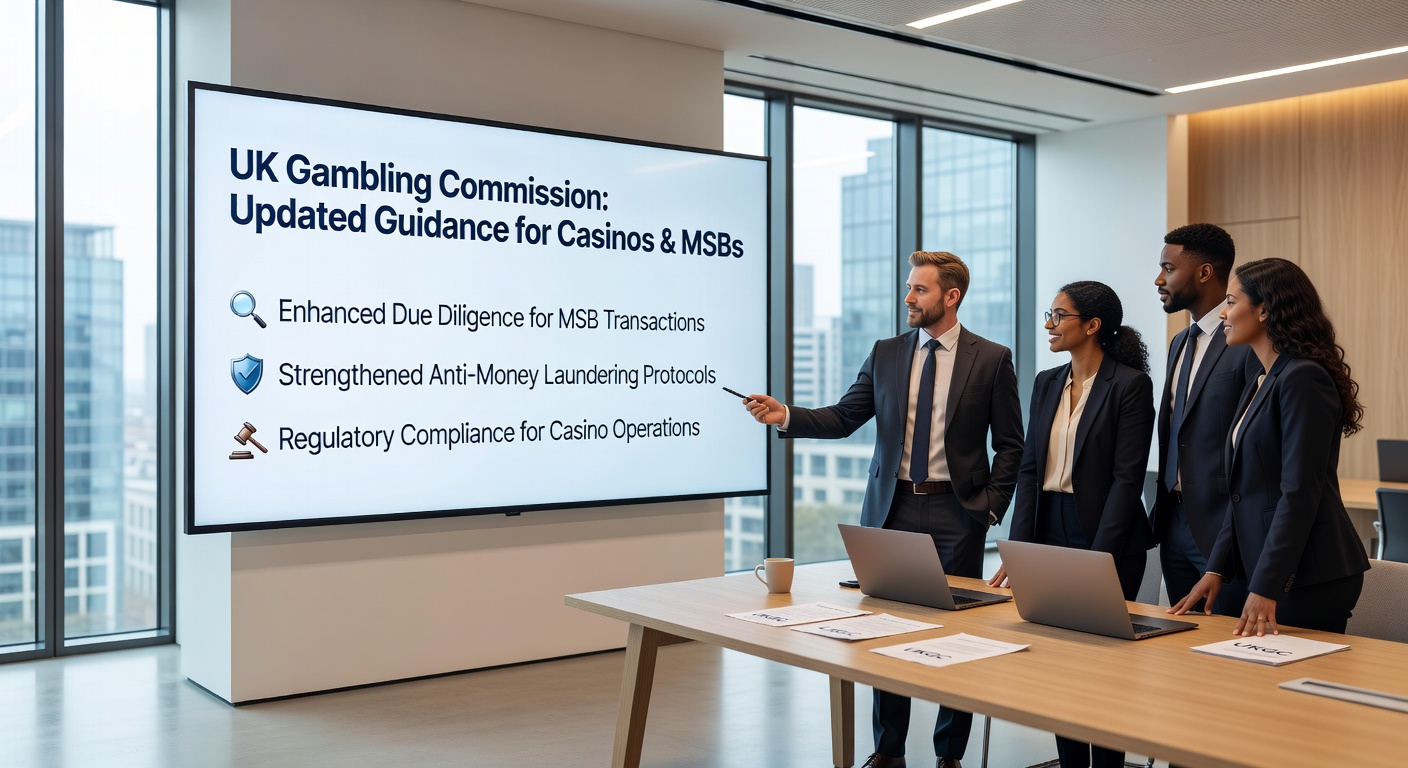
One enforcement notice on social media gambling ads outlines the practical steps that follow detection, including the requirement for swift removal or amendment, and it connects directly to the updated guidance that accompanies the monitoring rollout.
Referral Process and Regulatory Backstop
When an operator does not act on the initial notice the ASA can escalate the matter to the Gambling Commission, and this step serves as the regulatory backstop for cases that show repeated or serious breaches, whereas first-time issues typically resolve through direct contact with the advertiser.
Data from the announcement indicates that the combination of AI scanning and platform cooperation aims to reduce the time between an ad going live and any required correction, and those involved in compliance work have seen similar tools improve response rates in other regulated areas.
Scope of Content Under Review
The focus remains strictly on material that could appeal to under-18s, and the AI system applies criteria drawn from the CAP Code to evaluate imagery, language, themes, and placement across social feeds, while ads that stay within the guidelines continue without interruption.
Researchers who track digital advertising trends note that social media channels present unique challenges for age-appropriate targeting, and the new monitoring initiative addresses that challenge through automated detection rather than manual spot checks alone.
Conclusion
The June 11, 2026 start of the AI-powered Active Ad Monitoring System marks a shift in how the ASA and CAP handle social media gambling advertising, and the partnerships with platforms together with the direct referral route to the Gambling Commission create a clearer pathway for maintaining compliance. Operators receive notice of issues quickly under the new process, and the emphasis stays on prompt correction to keep content aligned with existing rules that protect younger audiences.